How to trade meme coins without losing your whole stack
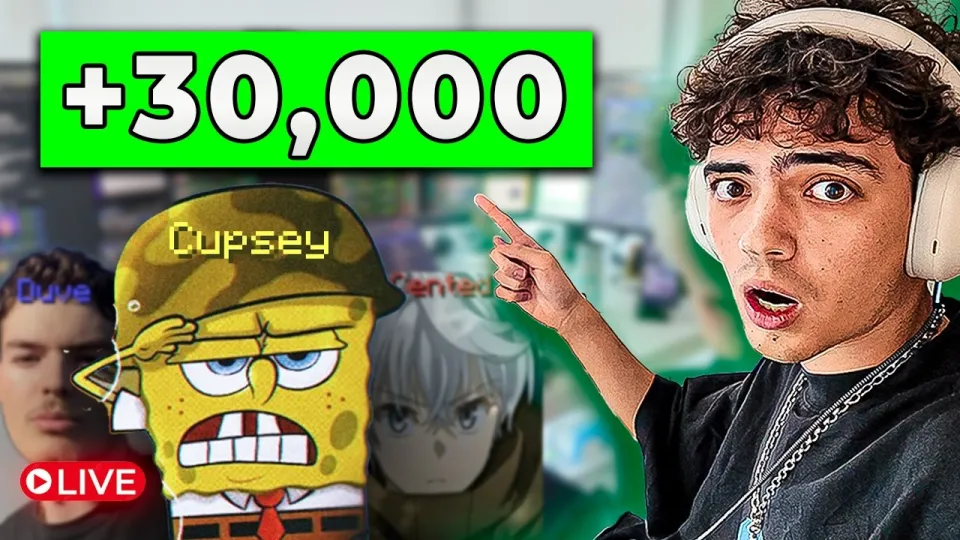
Video: I Traded With The World’s #1 Memecoin Trader
You can order the same kind of articles for your own video to boost it on YouTube and Google. Just message the Telegram bot @sat_sit_bot. It writes articles around your video, embeds the video and publishes them on popular niche websites (no ads). Your first 50 articles are free.
· based on the channel Ethan Prosper
Meme coin trading is a speculative, speed-driven style of buying newly launched tokens on chains such as Solana and selling into short bursts of attention, and the fastest way to learn how to trade meme coins is to copy the process rather than the trades: fixed position sizes, a strict loss limit per token and a pre-planned exit. The session in Ethan Prosper's «I Traded With The World's #1 Memecoin Trader» shows the mechanics in practice — a Solana terminal, a wallet tracker and a partner trader called Cupsey — and you can open the same terminal through this registration link before you risk a single dollar.
What the meme coin session actually shows
The video is a live trading recap, not a lecture: two traders sit at a Solana terminal, scan fresh pairs and take rapid-fire positions while the host narrates the reasoning. The chapter list alone maps the workflow — first trades on Lobo and 1% (roughly +200 SOL combined), a Cheese Coin and AI Cook sequence, an Elon/Grok-bot trade worth about +$15K, a Magic Internet Money dev play, a Mosaic AI coin that added around +80 SOL, and a final trade before the outro. The takeaway is not the profit numbers; it is the tempo. These are 10-plus-hour screen days, dozens of charts and hundreds of rejected setups for every one that gets size.
The mechanics of a meme coin trade
A meme coin trade is a four-step loop, and skipping any step is how accounts die. In the video the loop runs in minutes, but the same structure works on a slower clock.
- Find the pair. New launches appear on launchpads and are surfaced by terminal scanners that rank by volume, holder growth and social traction. The traders in the video watch these feeds continuously rather than waiting for a coin to trend on social media.
- Check the contract and the dev. Holder distribution, whether the developer wallet still holds a large share, and whether liquidity is locked are the first filters. The «Magic Internet Money dev» segment is a reminder that the developer's behaviour is itself a tradeable signal — and a risk.
- Size the position before entry. Decide the maximum loss in SOL, not the maximum profit in dollars. A common rule among full-time traders is 0.5–2% of the trading stack per new pair, which means a 50-token run of losers is survivable.
- Set the exit in advance. Meme coins rarely offer a second chance at the top. Scaling out in tranches — part at 2x, part at 5x, a runner left for the tail — converts a volatile chart into a realised result.
Why the speed-trading style is the hardest to copy
The style shown in the video is the most difficult version of crypto trading that exists, and the honest framing is that most viewers should not attempt it as their first approach. Speed traders compete on latency, on tooling and on attention span; they run multiple wallets, monitor Telegram and X in parallel, and treat a 30-second delay as a lost trade. A comment thread under the video makes the point bluntly: the people posting triple-digit SOL results are the ones who sit at the screen for ten hours a day, and copying their entries without their exit discipline usually means buying their bags.
The second structural problem is multi-wallet behaviour. When a coin is pushed by a cluster of wallets controlled by the same operator, the visible «smart money» inflow is partly manufactured, and retail buyers arriving after the pump become the exit liquidity. That does not make every launch a scam, but it does mean wallet-count and holder-growth metrics need to be read sceptically.
A realistic checklist before you ape
A meme coin checklist is a short list of yes/no questions that must all pass before any capital leaves your wallet. Adapt the thresholds to your stack size.
- Liquidity: is there enough pooled liquidity that your exit does not move the price against you?
- Holders: does the top-10 distribution look organic, or does one cluster hold 40%+?
- Dev wallet: has the developer sold, and is there a history of previous launches?
- Narrative: can you explain in one sentence why anyone else would buy this token in the next hour?
- Invalidation: what price or event makes the thesis wrong, and are you out before it happens?
If any answer is unclear, the correct position size is zero. The traders in the video pass on far more coins than they buy — that ratio is the actual skill.
Tools, wallets and the terminal layer
Meme coin execution on Solana runs through trading terminals that bundle charting, scanner feeds, quick-buy buttons and wallet management into one interface, and the video's sponsor link points to one of them at trade.padre.gg/rk/prosper. Beyond the terminal, the standard kit is a hot wallet funded with only what you are willing to lose, a separate wallet for larger or longer-term holdings, and a wallet-tracking tool for following traders you trust. The two public wallet addresses shared in the video description — the host's and Cupsey's — are exactly the kind of thing trackers are built to monitor, and following a wallet is only useful if you also understand when that trader exits.
Common questions from viewers, answered honestly
The questions viewers ask most often are about scale, copying and whether any of this is repeatable. On scale: results measured in hundreds of SOL reflect a large starting stack and years of screen time, not a formula that transfers to a 1.3 SOL account. On copying: mirroring a top trader's buys without their sell timing is a losing configuration, because you see the entry late and the exit later. On «faucets» and airdrop-style free capital: treat any promise of free funds as a marketing funnel until proven otherwise. And on sustainability: the traders who last are the ones who size down after a losing streak, not the ones who double up.
Useful links
- Trading terminal used in the video: https://trade.padre.gg/rk/prosper
- Host's link hub: https://ethanprosper.com
- Cupsey on X: https://x.com/cupseyy
- Free Discord community: https://discord.gg/solmafia
- Paid research community: https://www.joinpastel.com/r/ref=ETHAN
Bottom line
Meme coin trading rewards process over prediction, and the value of Ethan Prosper's live session is that it shows the process at full speed — the scanners, the rejected setups, the quick exits and the occasional +200 SOL run. Copy the risk framework, not the trade list: fixed loss limits, pre-planned exits and a clear-eyed view of who is on the other side of your buy. If you want to test the workflow with small size, start through the terminal registration link and keep your first month's risk budget deliberately boring. The channel «Ethan Prosper» is the author of this breakdown and publishes further live trading recaps if you want more examples.
Key takeaways
- Meme coin trading is a high-speed, high-risk style: the traders in Ethan Prosper's session work 10+ hour days scanning new Solana pairs.
- Session highlights from the video: a first trade on Lobo and 1% netted about +200 SOL, the Grok-bot trade made roughly +$15K, and a Mosaic AI coin added about +80 SOL.
- Tooling matters: the trader in the video routes orders through a Solana trading terminal, and the video links a registration page at trade.padre.gg/rk/prosper.
- Copying top wallets is not a strategy by itself: the same coins are often multi-wallet plays, and late entries absorb the exit liquidity.
- You do not need to trade new pairs all day to profit; larger, more liquid coins and slower setups are legitimate alternatives.
Source: I Traded With The World’s #1 Memecoin Trader · Markdown version
Questions & answers
How much capital do I need to start trading meme coins?
You can start with a small amount, but the size of your stack determines which strategies are viable. Speed trading new Solana pairs requires enough capital to survive a long losing streak, so many traders begin with a fixed budget they can afford to lose entirely and treat early losses as tuition rather than a setback.
Is copy trading top meme coin wallets a good idea?
It can be a useful research input but a poor standalone strategy. You see another trader's buy after it happens and their sell even later, and some of the visible «smart money» flow comes from multi-wallet clusters controlled by one operator. Use tracked wallets to generate ideas, then apply your own entry and exit rules.
Why do meme coin traders use separate terminals instead of a standard exchange?
Solana meme coins usually launch on launchpads and trade on decentralised venues, so execution speed, scanner feeds and wallet management matter more than order-book features. Terminals bundle those tools into one interface, which is why the traders in the video route orders through one.
Do I have to trade brand-new pairs to make money in meme coins?
No. Trading fresh launches is the fastest and hardest style, and it demands full-time attention. Larger, more liquid coins with established communities move more slowly but offer better exits and smaller slippage, which suits most people far better than a ten-hour scanning routine.